

Flooding
Flooding
Floods
Flooding can happen suddenly and quickly, so it’s important for you to be ready so that you can protect your home and keep your family safe.
How to prepare for a flood
Being prepared before a flood can make a big difference.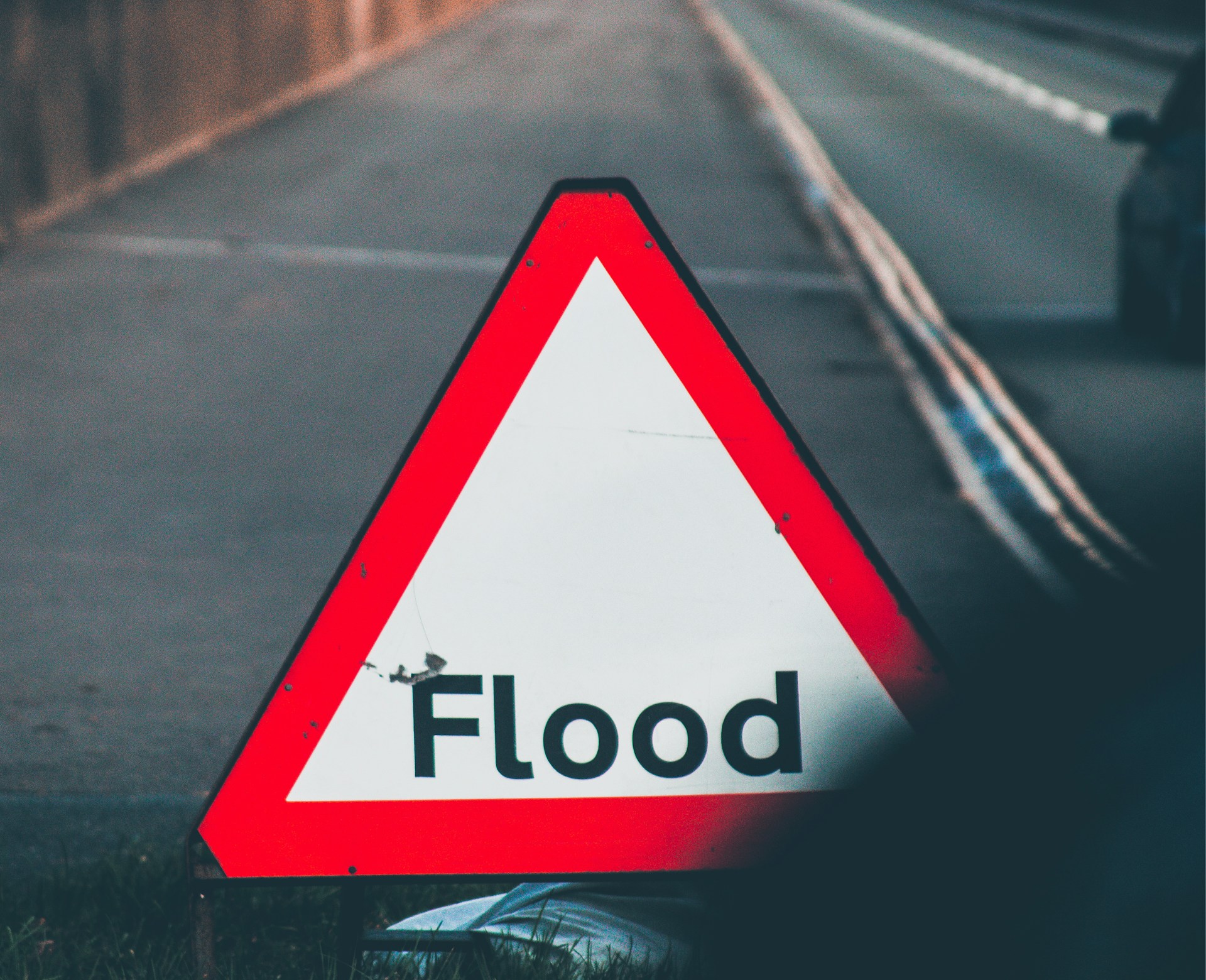
- Check your insurance cover – it’s worth doing this now, especially if you live near areas that usually flood and make sure your insurance is appropriate for your situation.
- Know your shut-off points – it’s important to that you learn where and how to turn off your gas, electricity and water mains. This will be one of the first things you need to do if flood waters are rising.
- Prepare a flood kit – collect your insurance documents, bank cards, cash, any medicines, glasses, sanitary wipes or antibacterial hand gel, batteries, phone chargers, torches, receipts for valuables, passports, first aid kit, bottled water and spare clothes in a waterproof bag. If you have a baby, make a separate baby bag with all the essential items needed. Make sure your phone is charged!
- Protect your home – if you are able to, buy sandbags or other flood protection items. While these will not stop the water completely, it will reduce the amount of water entering your home and damaging your properly, if they are used correctly.
- Report your concerns – if you’re worried about nearby rivers or streams flooding, let your local authority know. Managing the risk early, usually helps.
Take Action
Remember safety is your priority during a flood
- Stay updated – it is important that you stay informed of the situation. You can call the Scottish Environment Protection Agency (SEPA) floodline on 0845 988 1188 or visit sepa.org.uk for live flood updates. You can also tune into your local radio station for warnings.
- Call emergency services, if necessary – if your life or the safety of others are at risk, please dial 999 immediately.
- Protecting your valuables – when it’s safe, take important documents and valuables upstairs or to higher ground. Move pets, vehicles and other valuables to safety when you can. Remember, your safety is the priority.
Alert your neighbours – if you have elderly, alone or vulnerable neighbours, check on them and offer help. - Use flood protection – put sandbags and other flood protection measures in place, but make sure they do not block any safety vents. Remember you can make your own makeshift sandbags using bin bags, carrier bags, or pillowcases filled with soil.
- Seal up drains – remember to put plugs in sinks and baths (including overflow), and a sandbag in the toilet bowl. This will help prevent sewage from flowing back up.
- Shut it off – remember to turn off the gas, electricity and water supplies. If possible, unplug electrical items and move them upstairs.
- Watch out for hazards – be careful moving around. Floodwater hides all sorts of dangers, like displaced manhole covers or sharp objects.
- Get travel information – get up-to-date road information by calling Traffic Scotland on 0800 028 1414 or visit www.trafficscotland.org.
After flood waters have receded
Making sure that you take the rights steps once flood waters have receded will help make the most of your clean-up efforts and ensure that your home is safe to return to.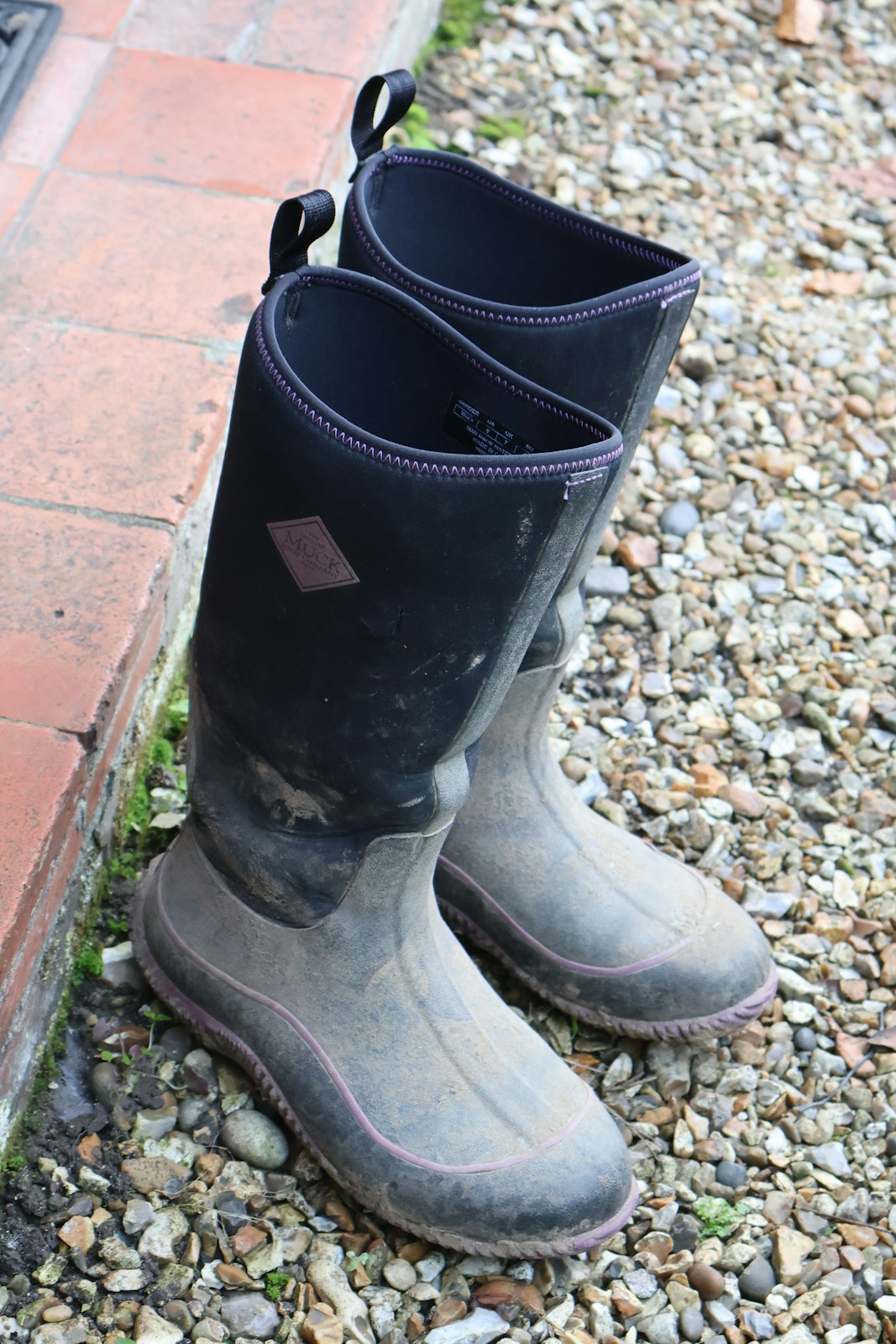
- Check your water supply – before you turn your water supply back on, check with Scottish Water if it is safe to do so by contacting them at 0845 601 8855 or visit www.scottishwater.co.uk
- Get help – you can contact the Scottish Flood Forum at 01738 448 411 or visit www.scottishfloodforum.org for further advice and support to deal with the effects of the flood.
- Clean up – remember to wear protective clothing like rubber gloves and wellies when cleaning up. Watch out for sharp objects like nails and broken glass.
- Ventilate your home – remember to open windows and doors to help air your home and reduce moisture build-up.
- Check your utilities – it’s important to contact your gas and electricity companies and have your supplies checked before turning them back on.
- Make a record of damages – make sure that you take photographs and videos of the flood damage and contact your insurance company as soon as possible.
Useful Numbers
Save these numbers in case of an emergency.
- Scottish Environment Protection Agency (SEPA) Floodline
0845 988 1188
www.sepa.org.uk/flooding/flood_map.aspx -
Scottish Borders Council (temporary accommodation)
01835 824000 -
Traffic Scotland
0800 028 1414
www.trafficscotland.org
Emergency Flood Kit Grab Bag
Here’s a checklist of essential items to pack in your flood kit
- Water carrier/ bottled water
- Light sticks/ torch & batteries
- Wind-up radio
- Toilet roll
- Whistle & first aid kit
- Money/ bank card
- Rubber gloves
- Camera
- Analog telephone